
Theme of Repair
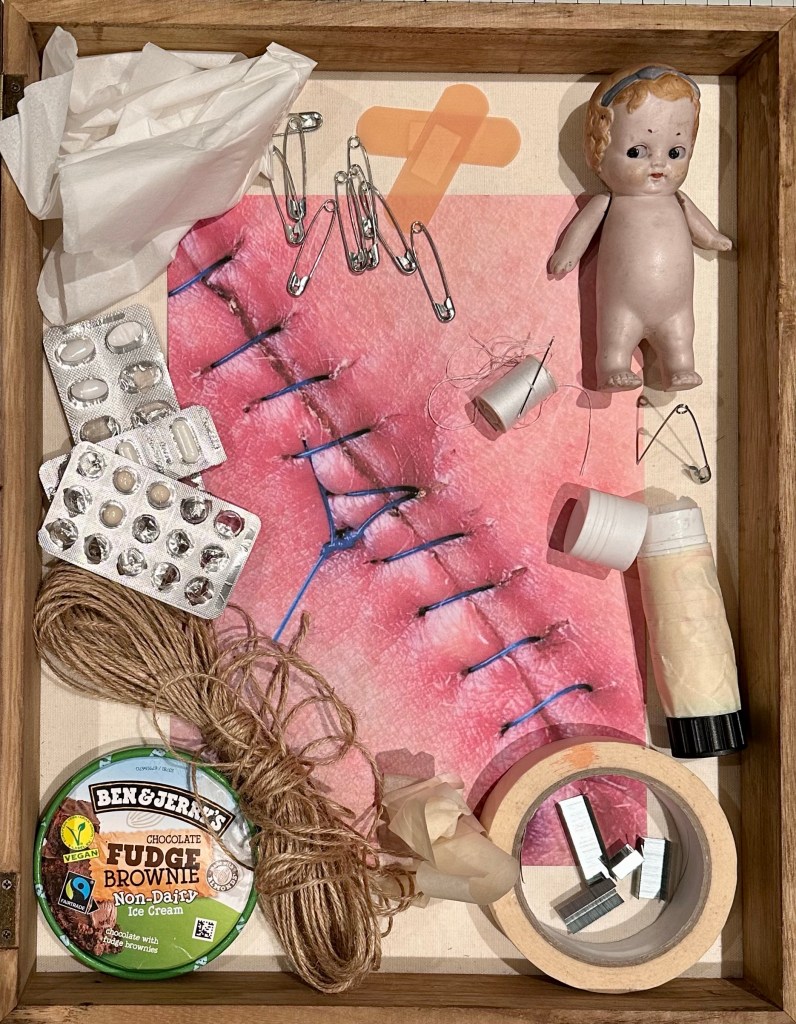
Things to make it better.
I was taken with Louise Bourgeois description of the act of sewing for her, was an act or repair. Bringing things together. I looked at what we use to repair and make things better both physical and emotional.
I liked the concept of making a box and I collected items that are actual things we use to repair or that symbolise helping to repair; for example, a tub of ice cream as an antidote to a sad mood.
Fractured Barbie
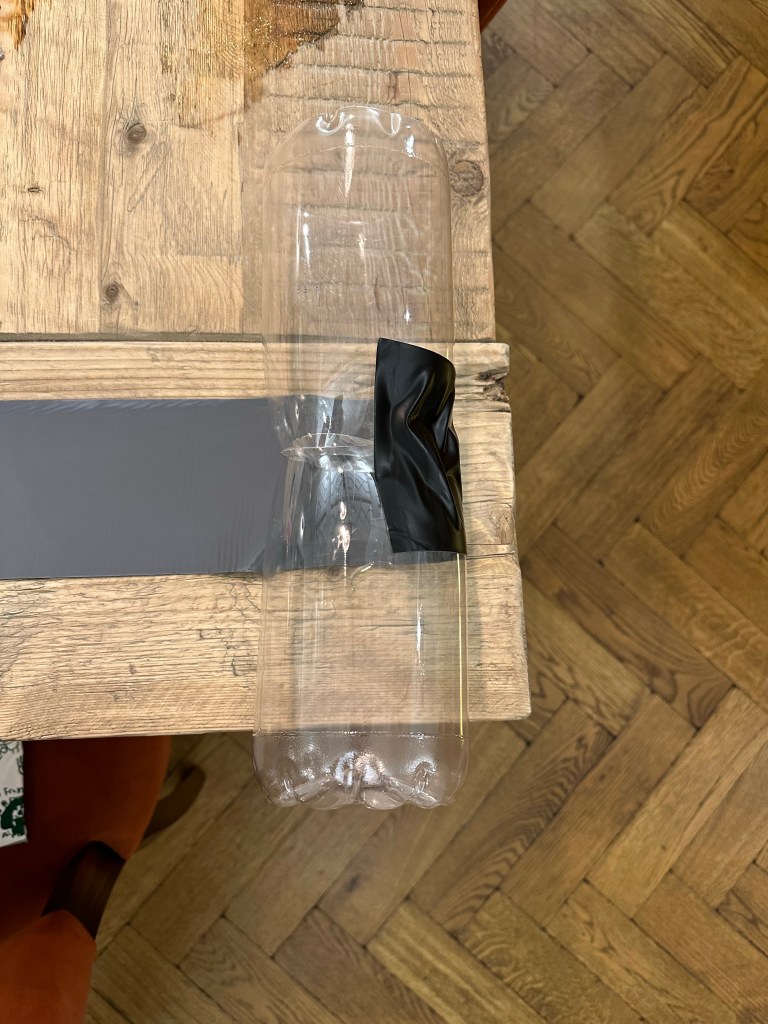
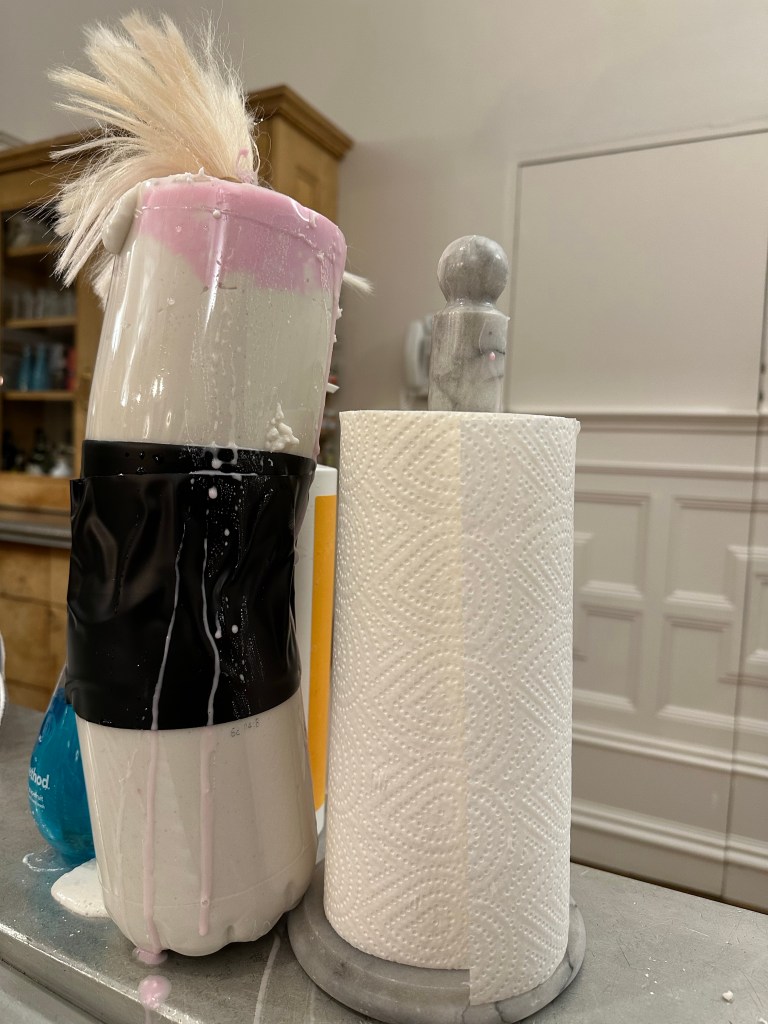
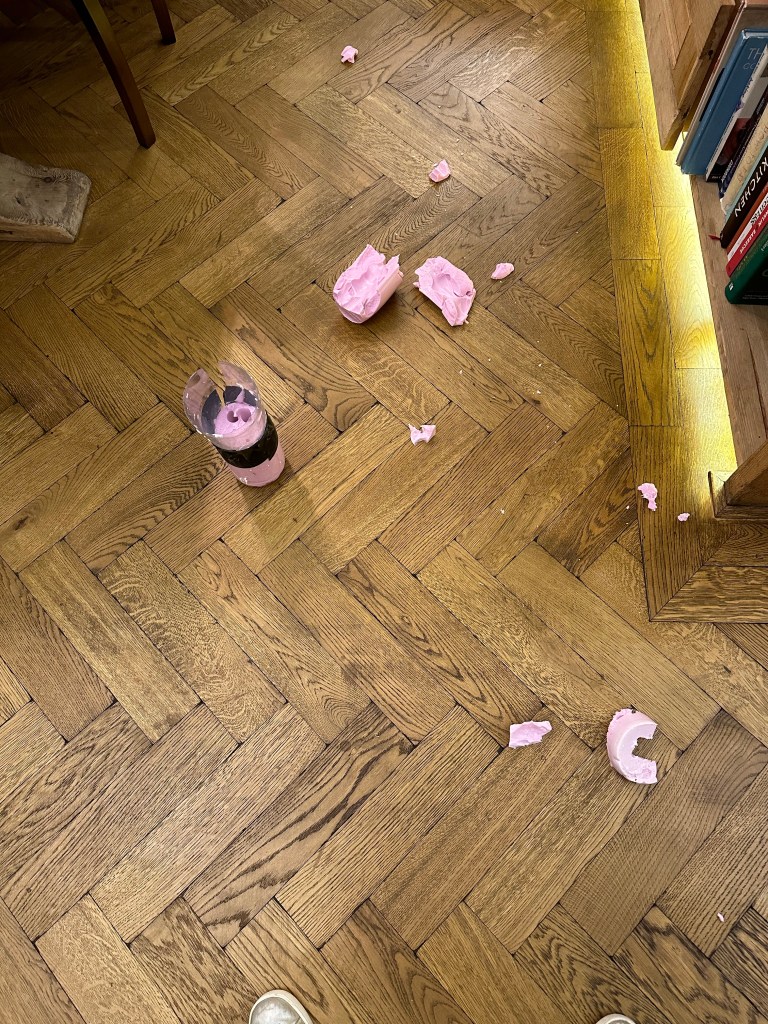
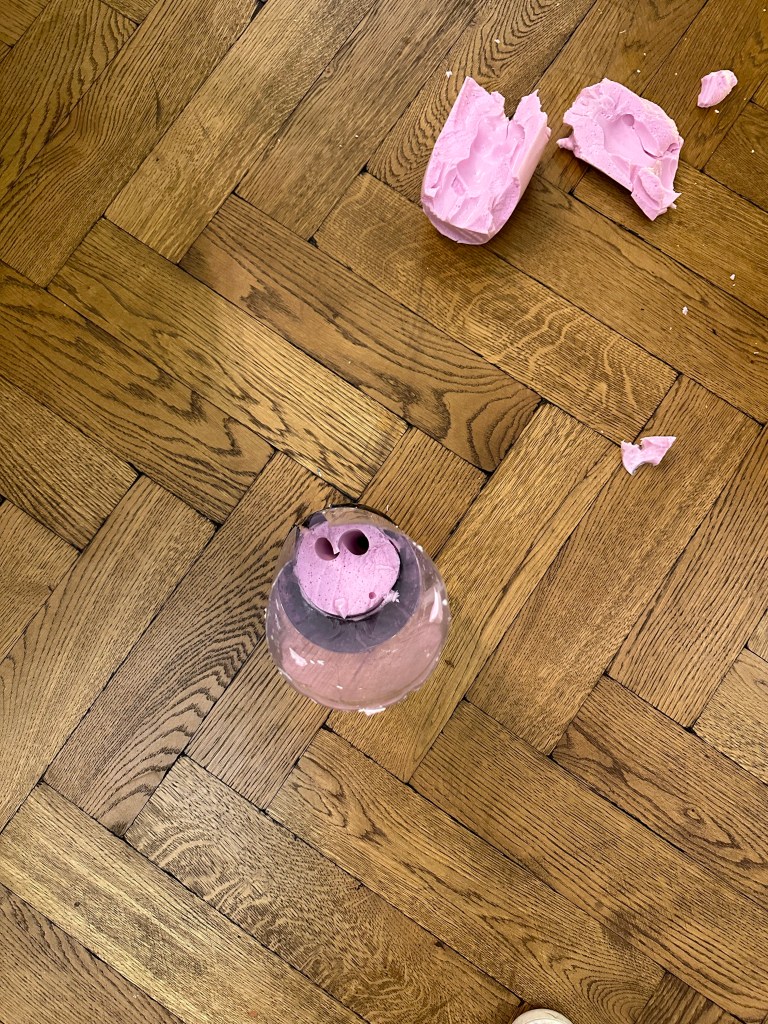
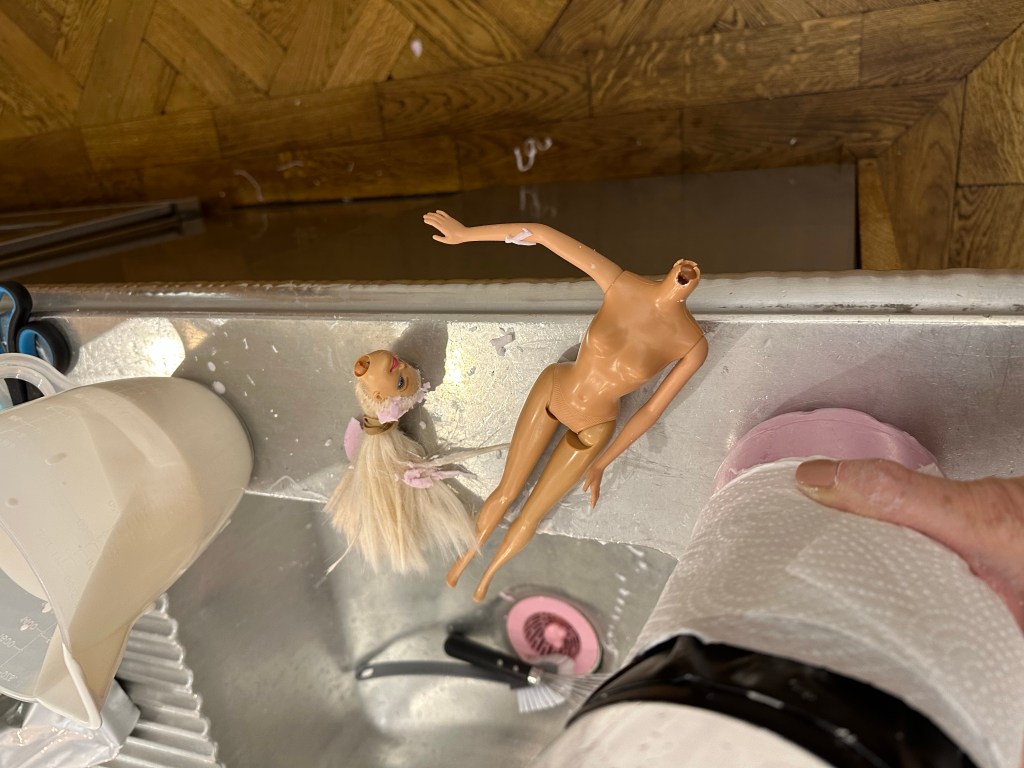
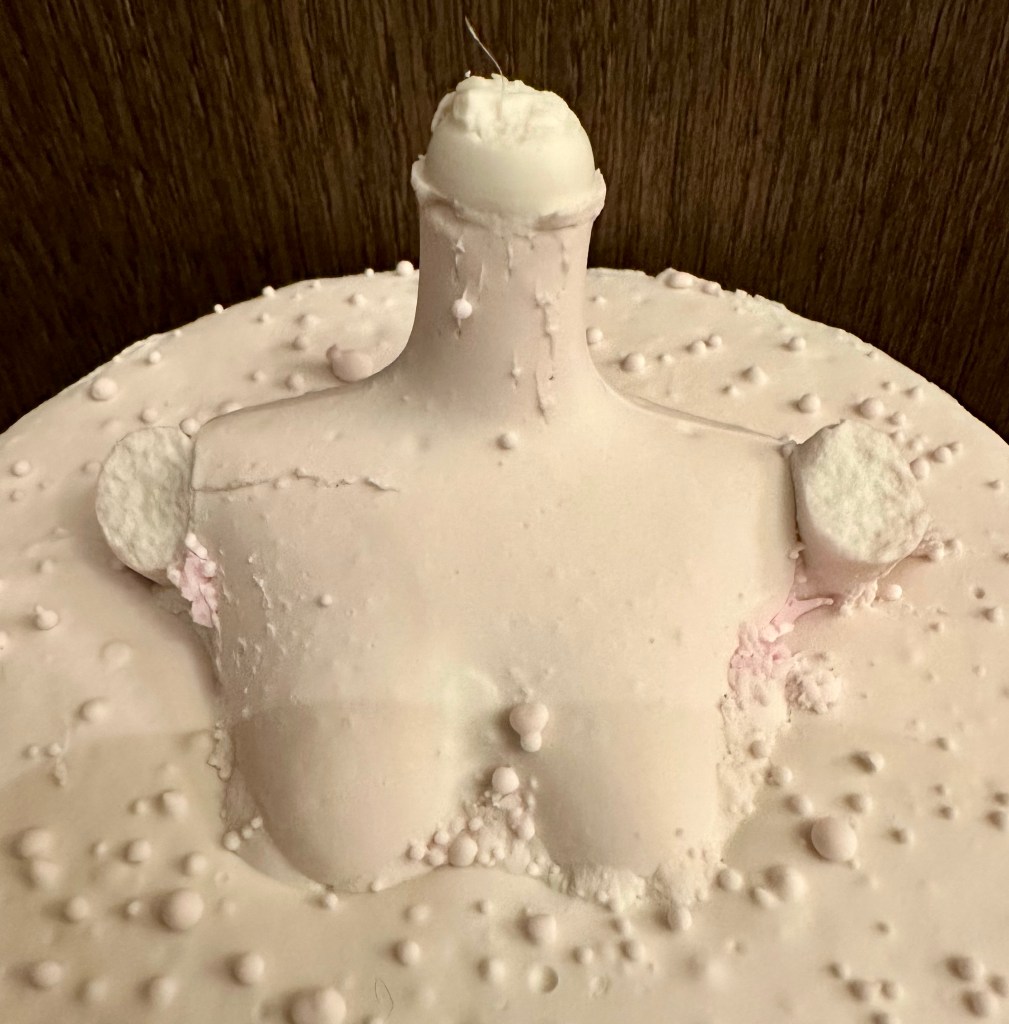
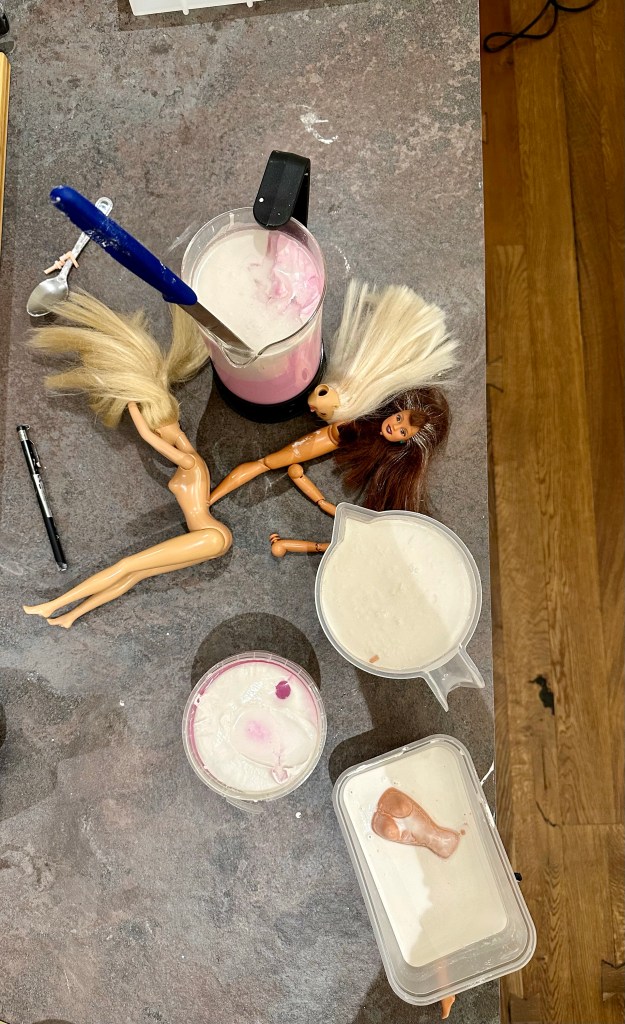
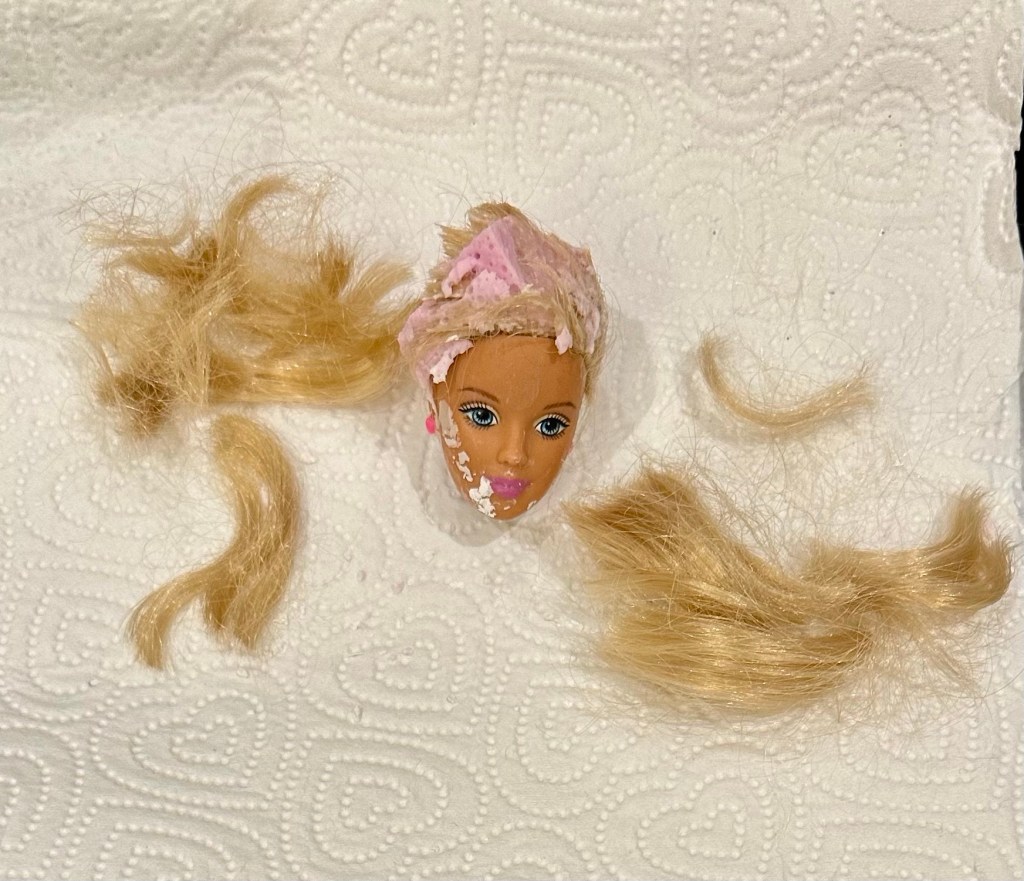
I tried to make a vessel big enough to hold a mold of a Barbie doll. I cut up and stuck two large tango bottles together with gorilla tape. It was going well till I tried to pull Barbie out and I pulled her head off then as I took alginate out of mold I didn’t support it so half of it plopped on the floor! I was left only with an intact mold for legs so I poured plaster into that and created Barbie legs. I will try this again with a silicone mold which Flora demonstrated to us in a workshop.
My intention is to cast an army of Barbie (25 if I can)


Context of Barbie and her influence
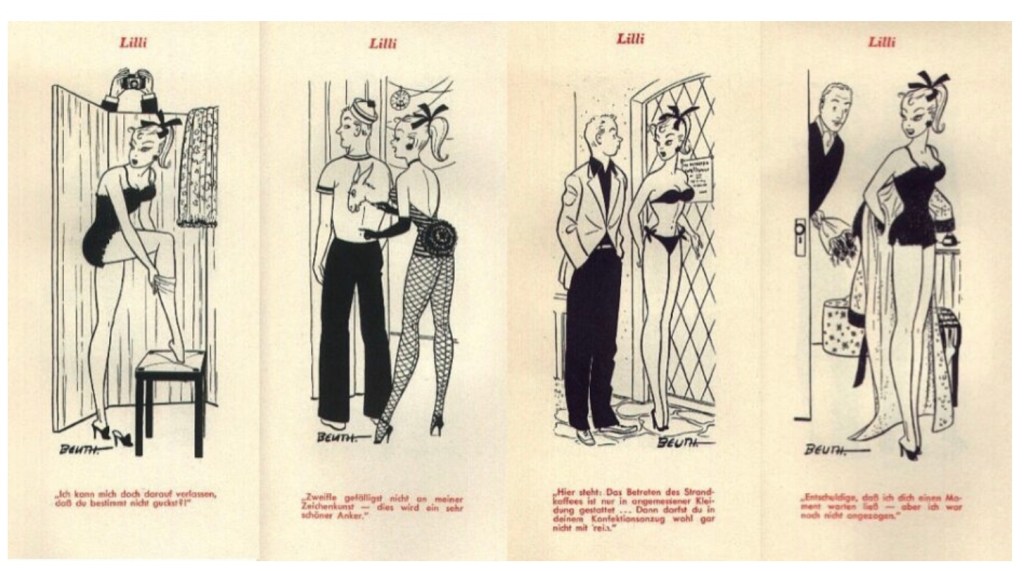
Barbie was based but almost identical to a German doll called Bild-Lilli who was aimed at adult men. Bild-Lilli was originally a comic strip cartoon in newspapers but she became so popular, in 1953 a doll of her was created. She was a flirtatious sexy character who pursued wealthy men and wore suggestive clothing and was sold exclusively sold in tobacco shops, bars and adult stores. They were a popular gift at bachelor parties.
When Barbie was first created in 1950s, feminism was a concept that was practically non-existent. It was after the war, the expectation on women was to resume their roles as mothers and wives. The US government actively aimed to re-establish home-making and family as the most important job a woman could have.
It was a time of great inequality for women where gender roles dictated that men were the head of the household and women were expected to be the homemakers. This patriarchal construct influenced the way Barbie’s persona was created.
Although Ruth Handler, the creator of Barbie, insights were that girls of the 1950s no longer wanted to grow up just to be mothers, and Barbie was free from the role of a mother. While we can now see in Barbie the embodiment of Woman as an object, Ruth Handler’s idea was to create a toy that reflected women’s ability to work and be independent.
“My whole philosophy of Barbie was that through the doll, the little girl could be anything she wanted to be. Barbie always represented the fact that a woman has choices.”
Ruth Handler autobiography 1994.
“What does Barbie do? Everything apparently including being the President but top of her list is looking pretty and being anorexically thin.
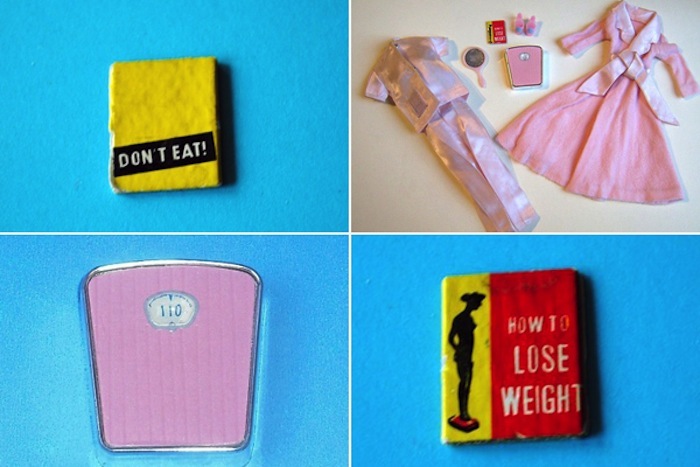
In 1963, a series of Barbies were released with a book entitled “How to Lose Weight”, which advised girls: “Don’t eat!”. The accessories included a bathroom scale permanently set at 110 lbs, which would be around 35 lbs underweight for a woman of Barbie’s height.
Although Barbie’s creator wanted Barbie to be an inspiration for young girls against the backdrop of a post war expectation for women to be homemakers and to stand behind their man, it is clear that as a global phenomena, Barbie epitomises a white, thin, totally unobtainable goal which can easily leave girls feeling bad about themselves. After all, who can be president, scuba dive, keep the tan topped up and fly to the moon in the same week? Apparently Barbie can.





 number5portfolio.com