
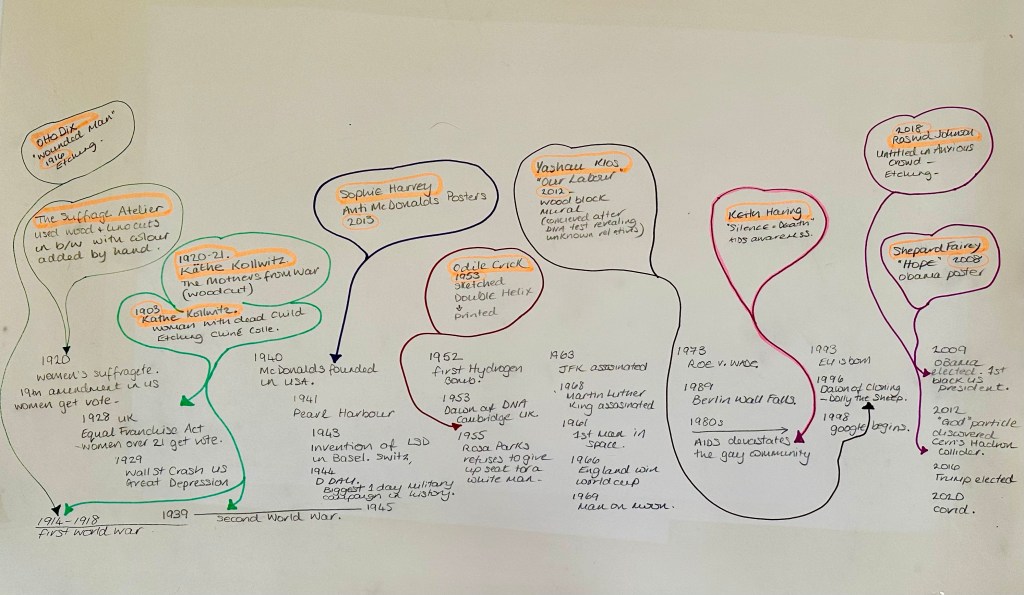
Timeline + Print Artists
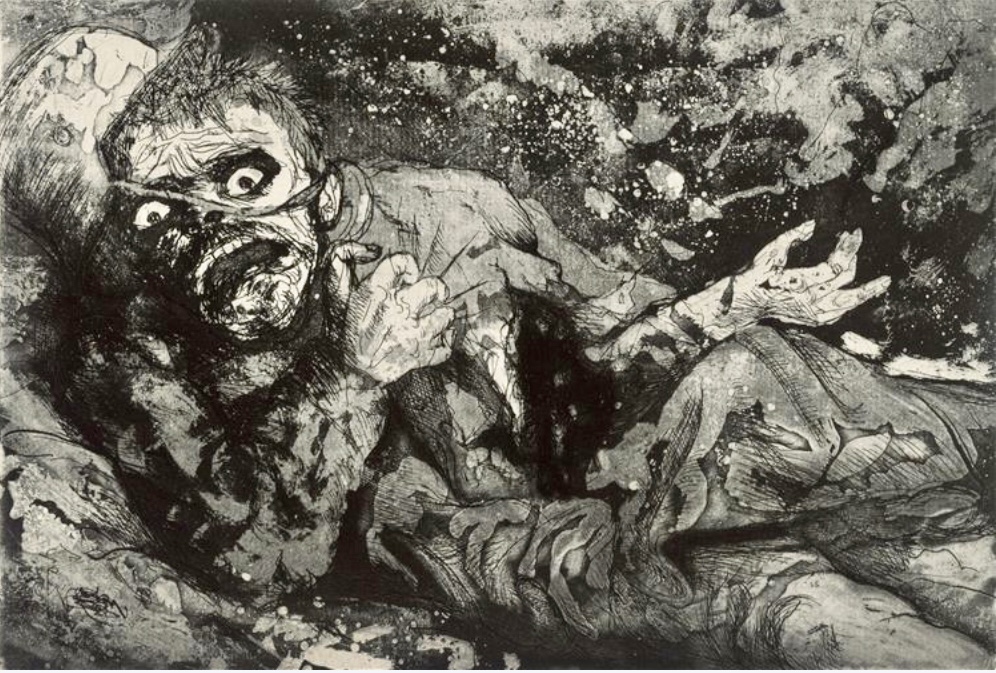
Otto Dix 1916 Etching
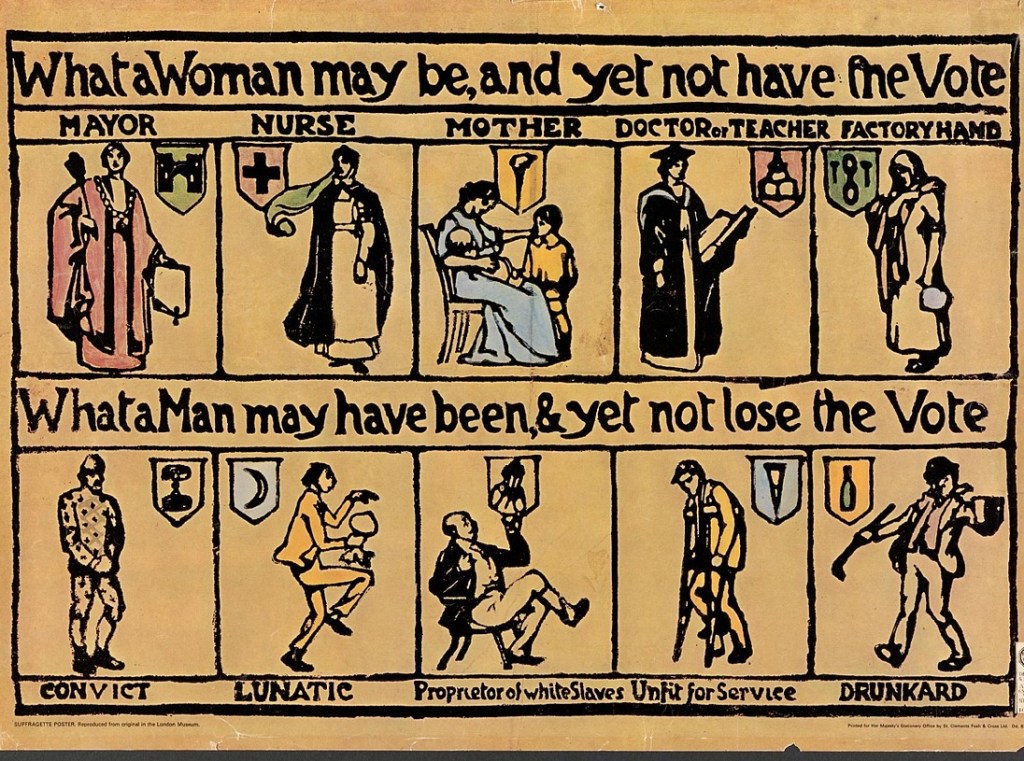
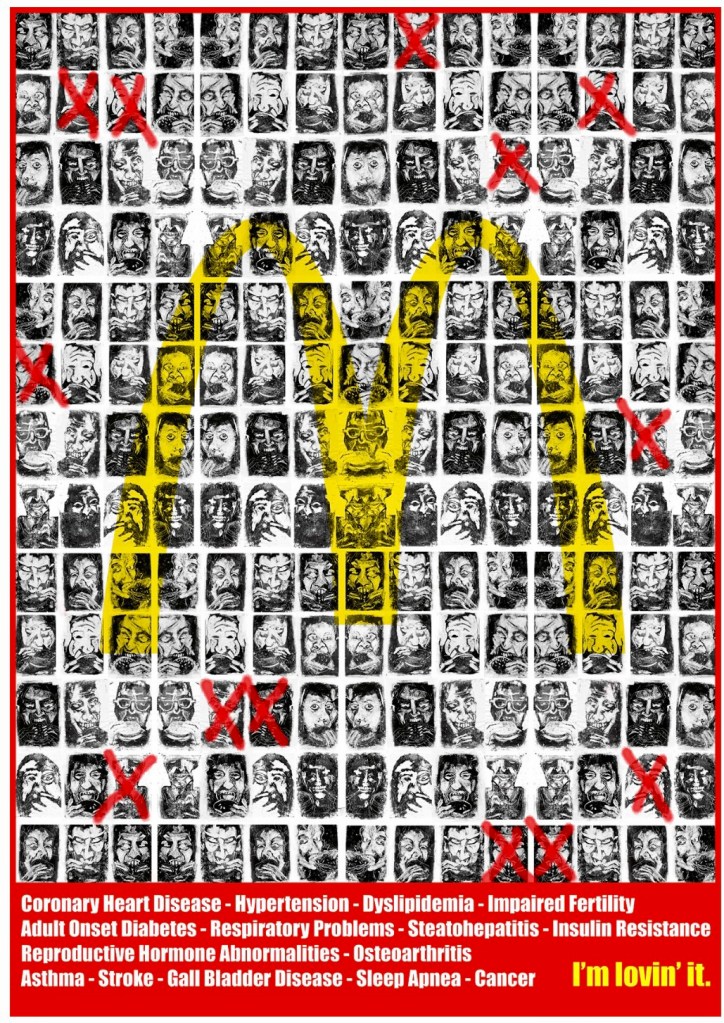
Sophie Harvey 2013
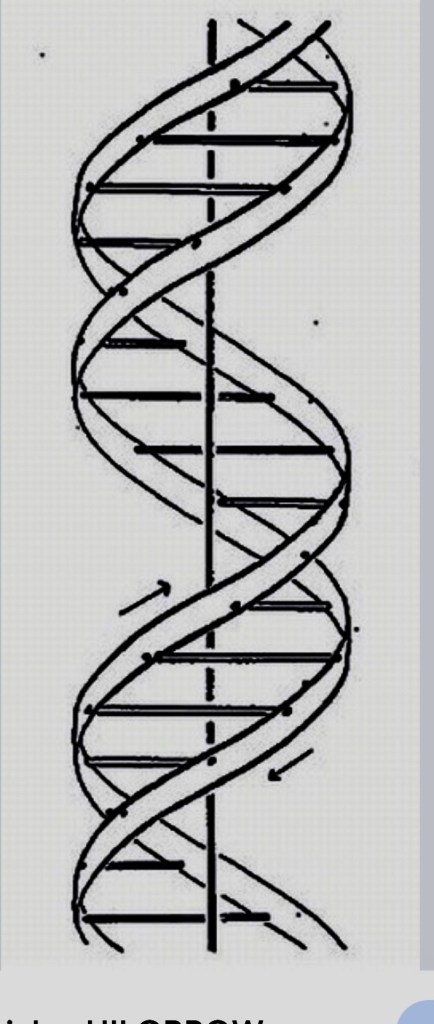
Odile Crick 1953 Blueprint

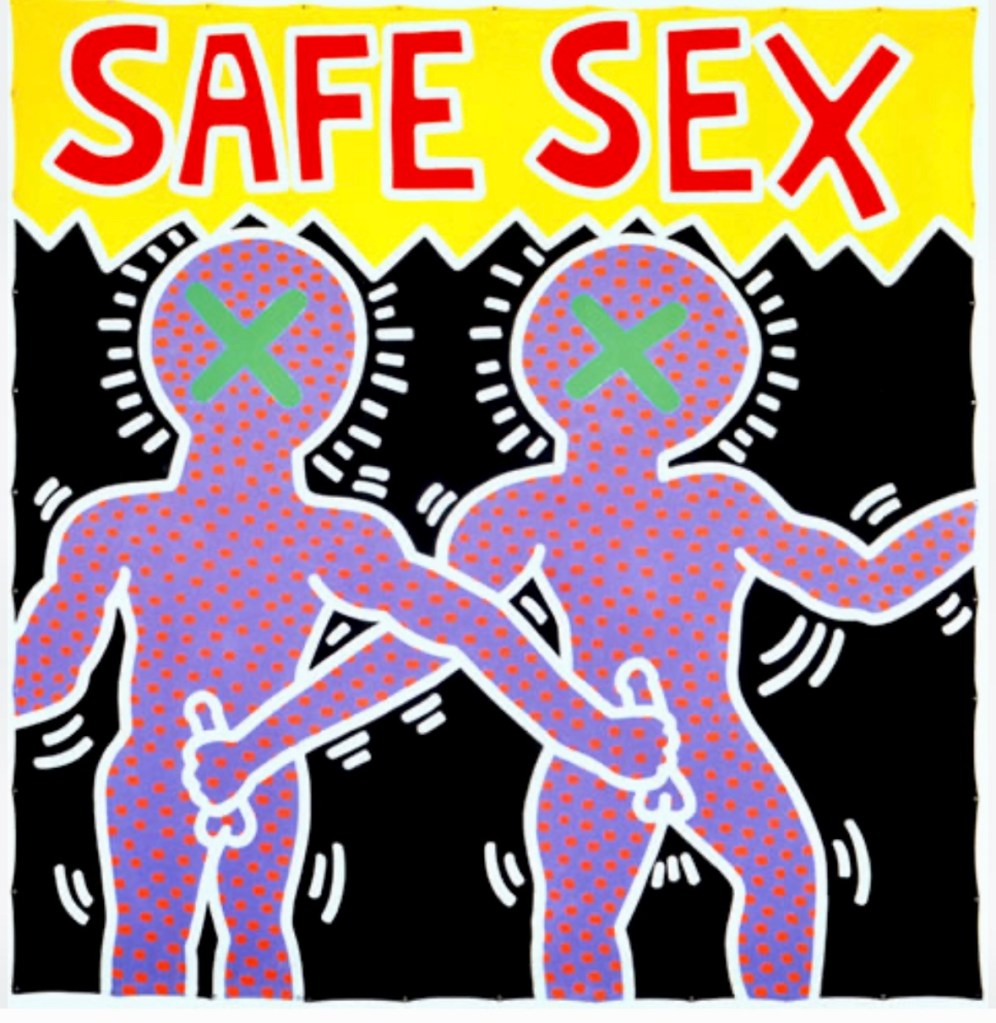
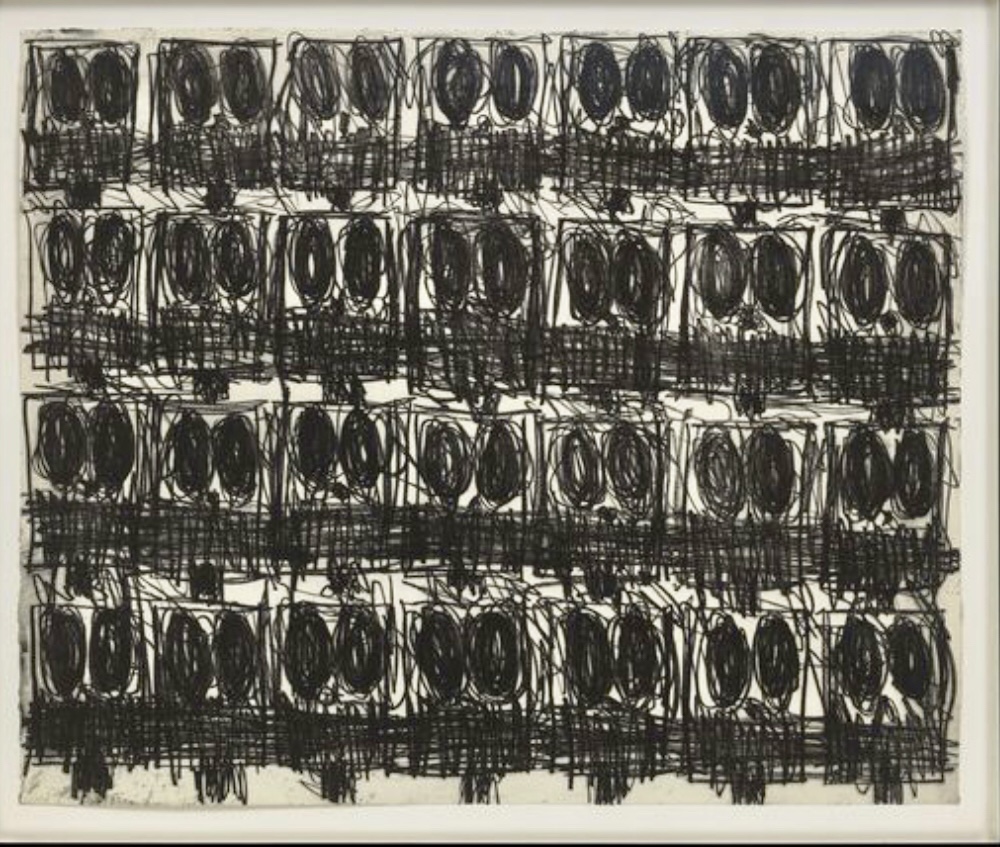
Rashid Johnson 2018 Etching
“Print & Prejudice” V&A Exhibition
I visited the Print and Prejudice exhibition at the V&A which has images from a large selection of different types of printing techniques that were all created by women including Etching, Woodcut, Lithographs, Woodblock


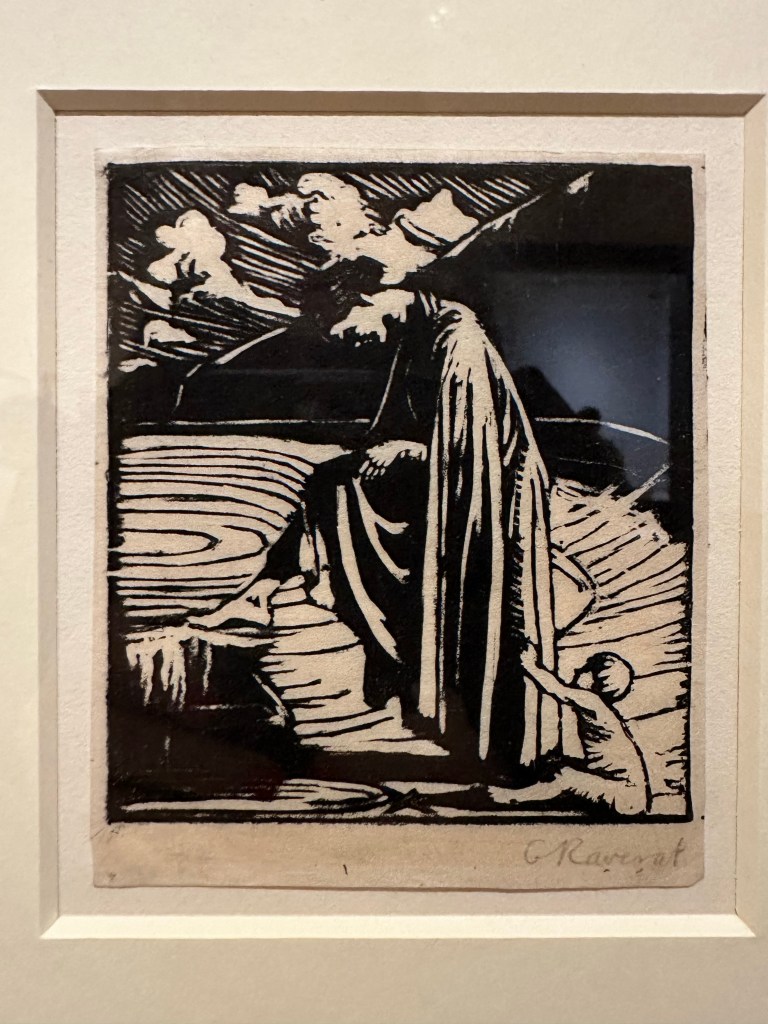
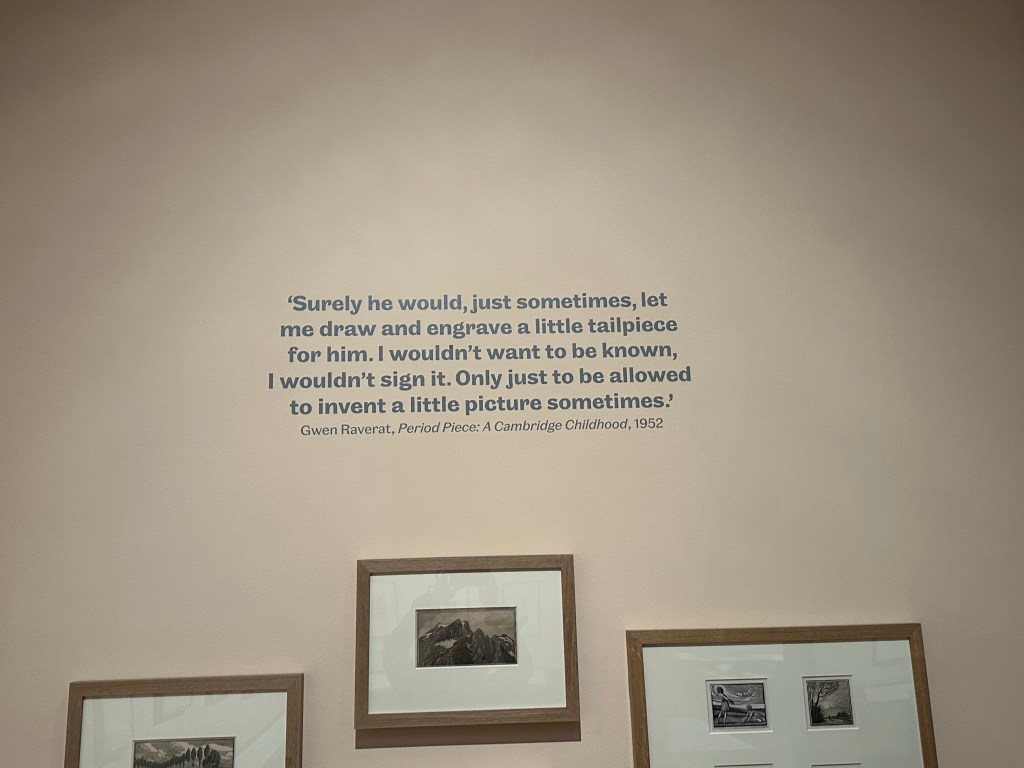
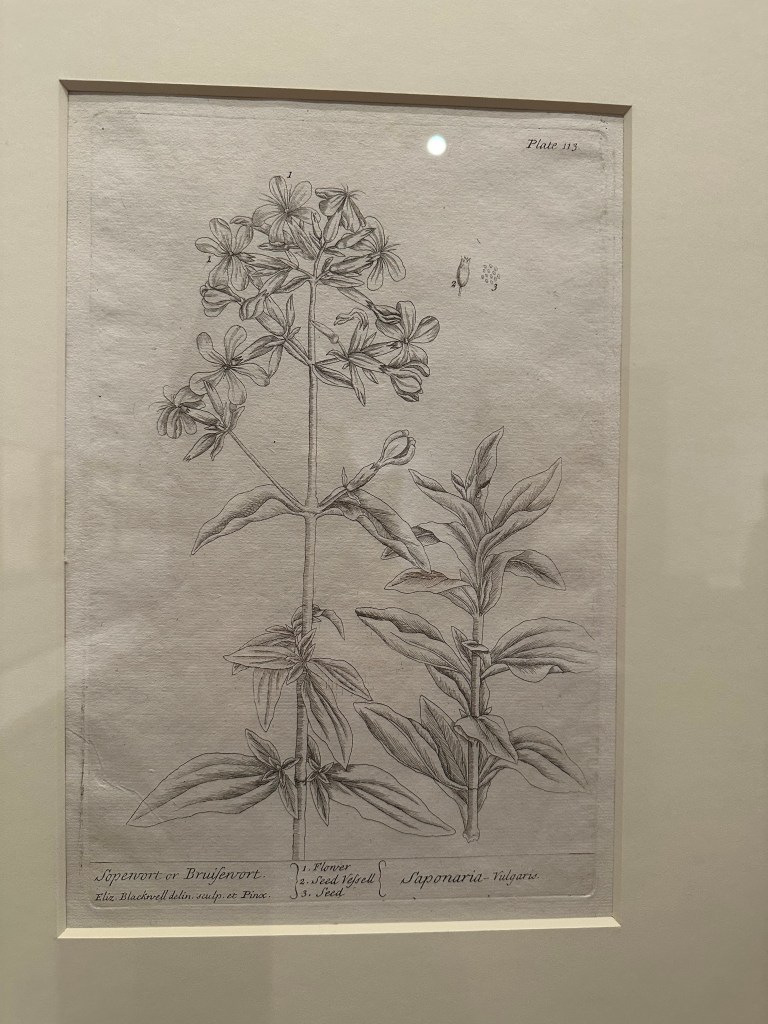

The revival of original printmaking began with the Etching Revival in the 1850s, and was followed by renewed interest in lithography, wood engraving and wood cutting in the late 1800s and early 1900s. A second wave took place in the decades after the Second World War, with exciting and often avant-garde work being produced by printmakers experimenting with a wide range of often unorthodox techniques, and with many artists experimenting with printmaking. Artists who took the printing medium to new levels during the second half of the century: Frank Auerbach, Julian Trevelyan, Michael Rothenstein, Richard Hamilton, David Hockney.
Print Artist research
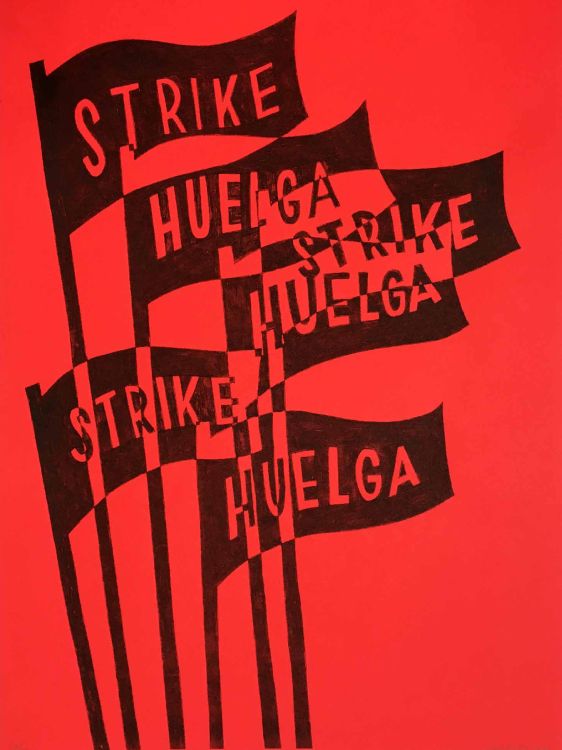
Josh MacPhee b.1973 USA
Josh MacPhee is a Broklyn-based printmaker, curator and activist. His works are mainly created by screen printing, relief and risograph printing. The prints depict messages concerning police brutality, racism and conflict, as well as environmental issues and human rights.
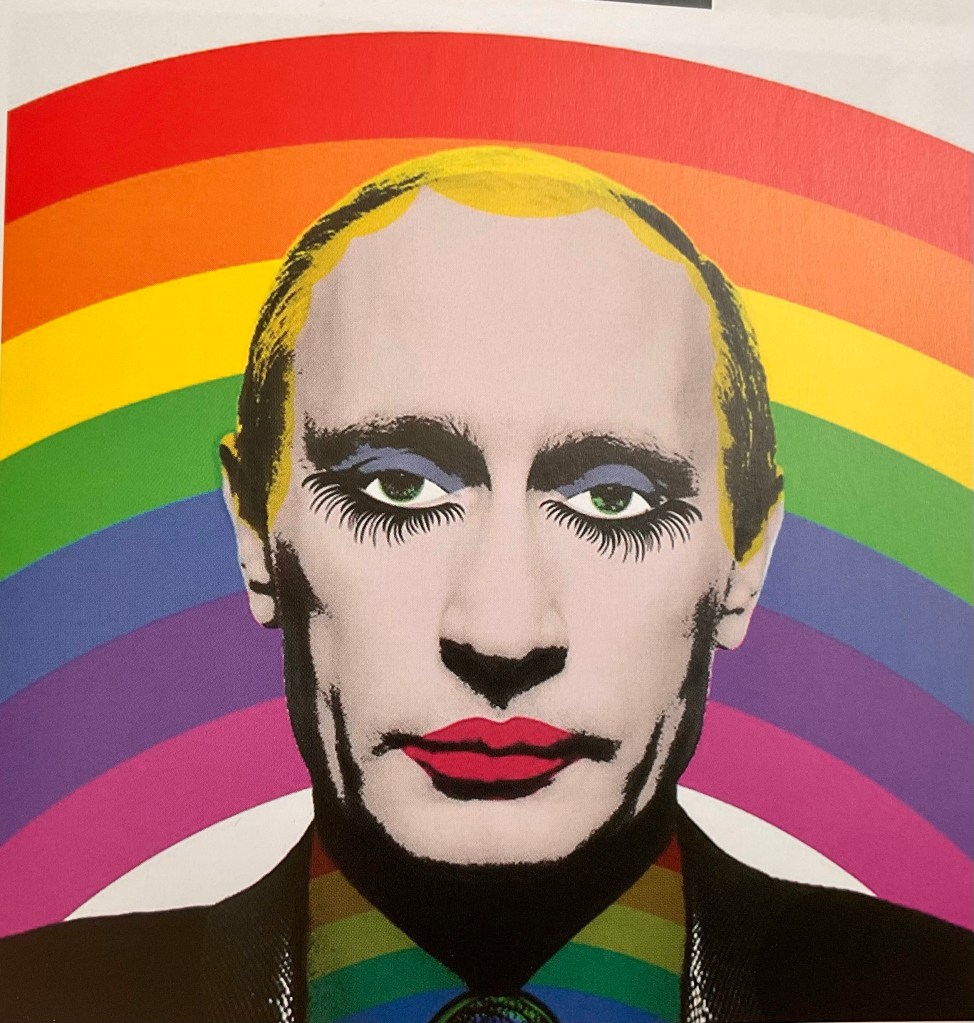
Putin A Rainbow (Anonymous) Silkscreen – around 2013. Produced in protest of the imprisoning of Pussy Riot
Timothy Curtis b.1982, Philadelphia, USA. Self taught artist who had first exhibition while in prison. Originally graffiti artist whose tag was PIPE given to him at aged 9.

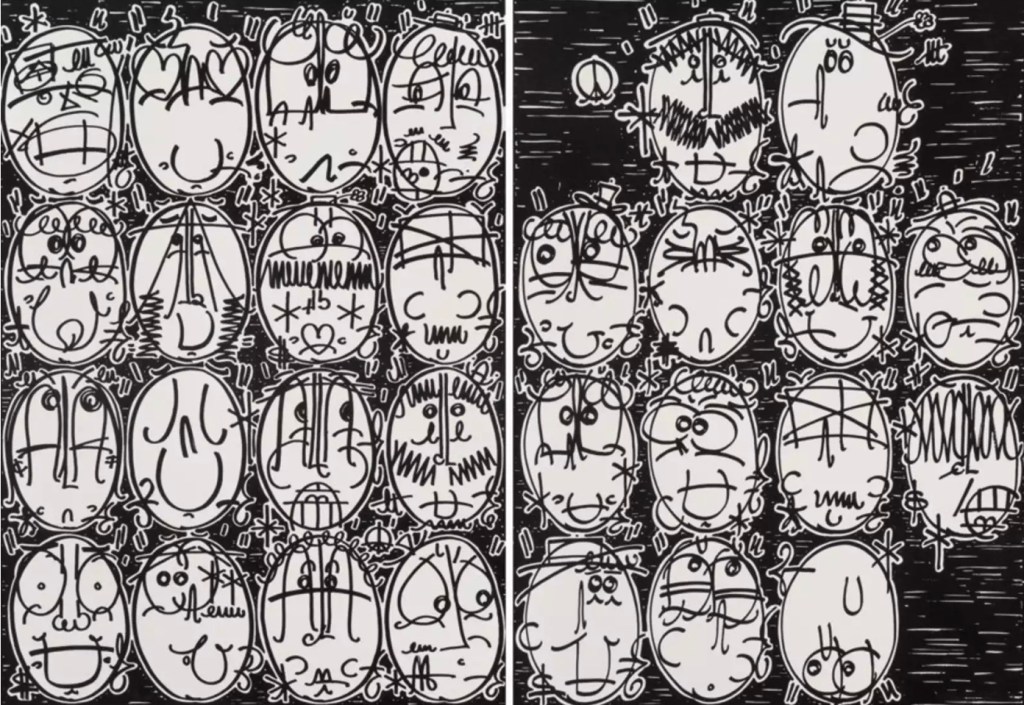
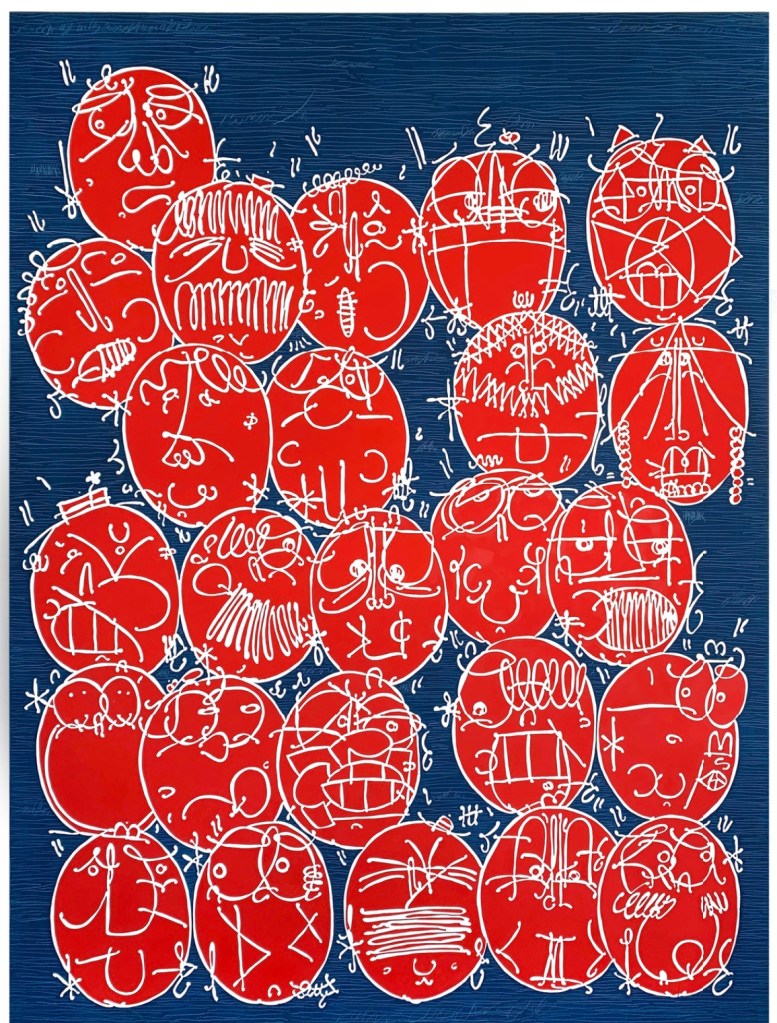
Corita Kent 1918-1986
Nun – left order in 1968 and later spoke out against Catholic Church. Highlights political, urging viewers to consider poverty, racism, and social injustice


Haste la Victoria Siempre
(Until Victory Always) 2004
Anatoily Omelchenko. Silkscreen and stencil
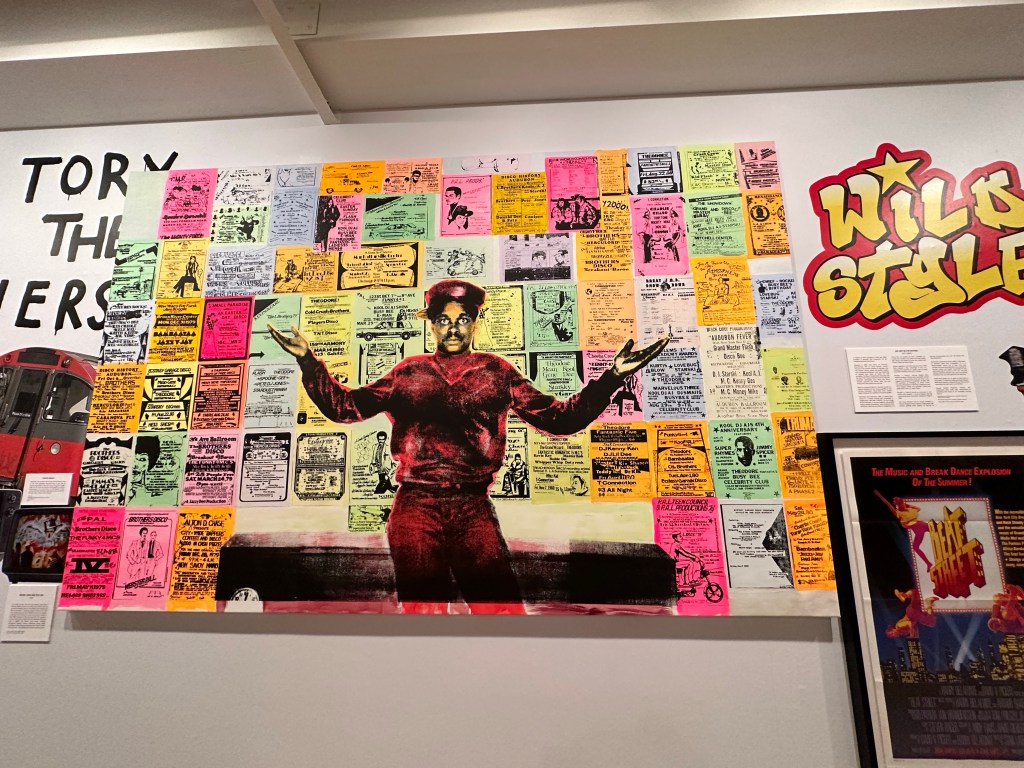
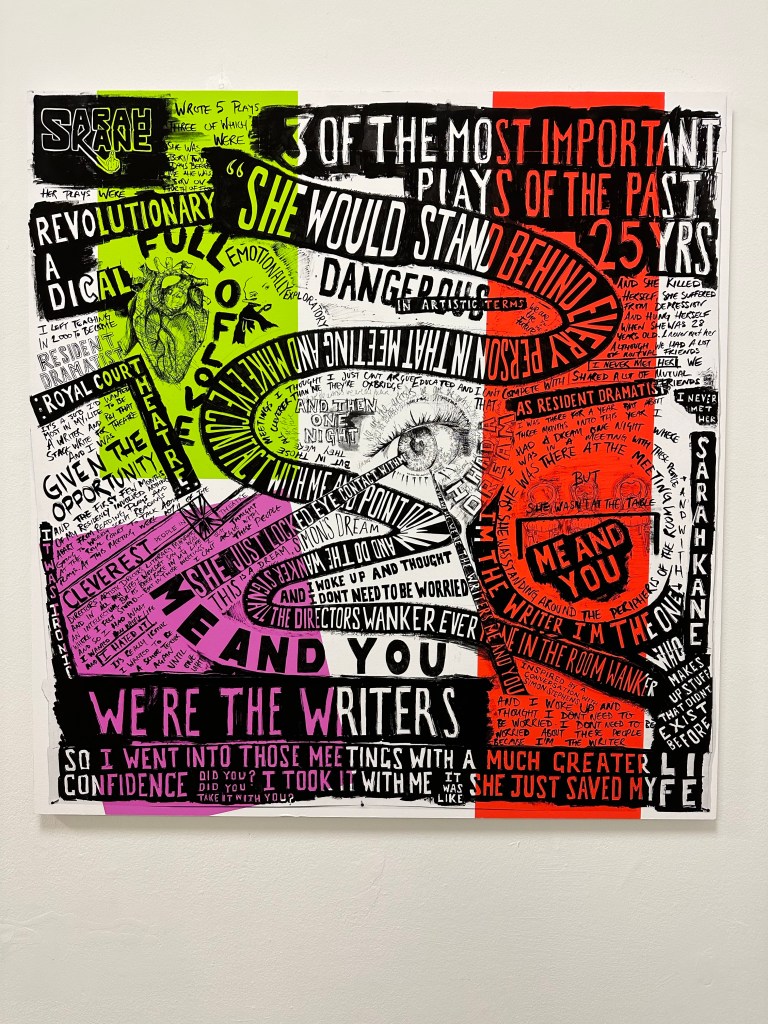
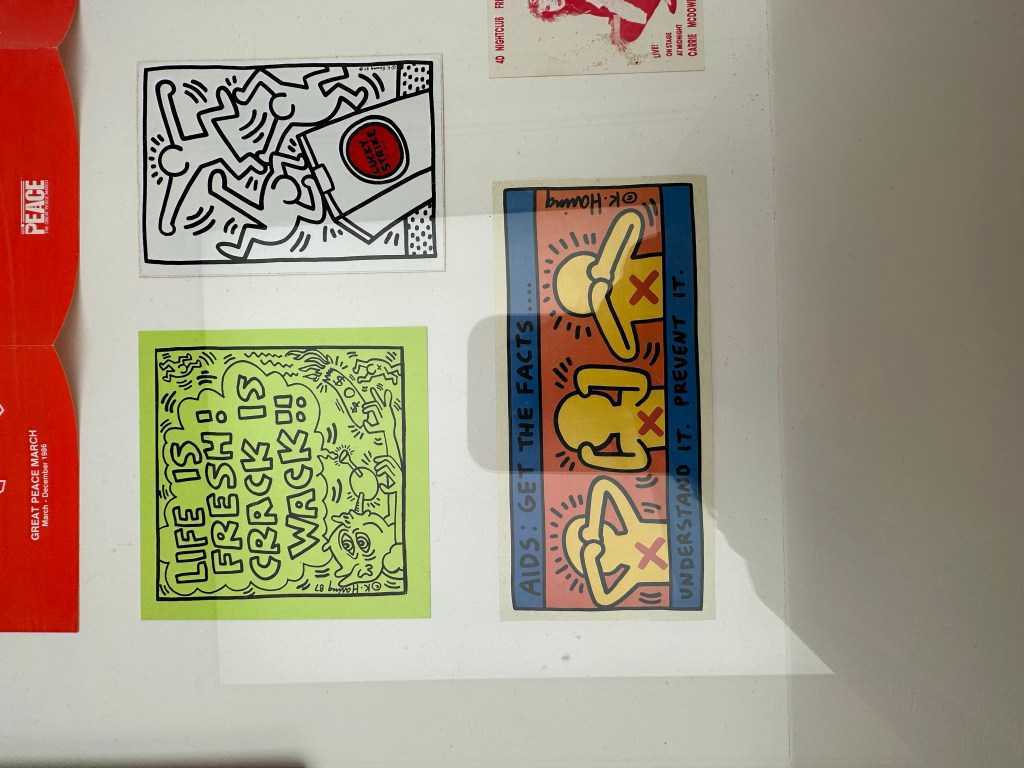
Current exhibitions – Beyond the Street, Saatchi Gallery
I went to the Street Art exhibition at the Saaatchi Gallery. I was amazed to see the very beginnings of the movement starting in NYC as Graffitti and how it has become a global art movement that has a powerful impact and how street art and culture has become hugely influential in fashion, film and music. I was inspired to see the evolution of artists and their boldness and the need for self expression.



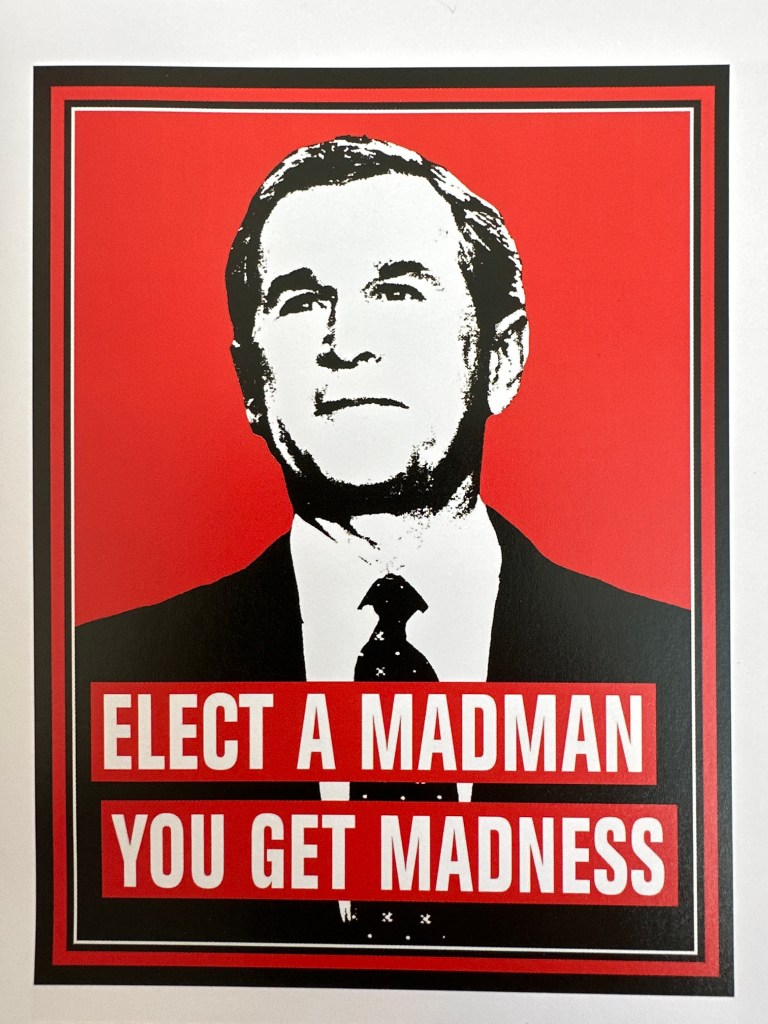
Elect a Madman. Kyle Goen 2004
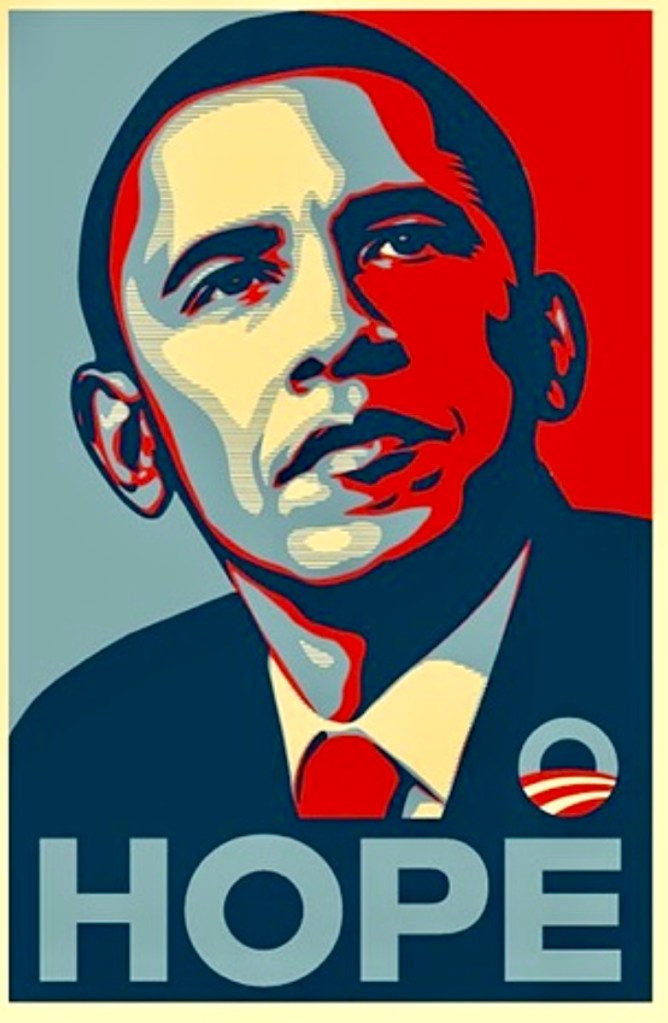
Critical Analysis of Shepherd Fairey’s work
I am inspired by Fairey’s work. I like how he makes the figures in his work iconic, even ‘idolised.’ The way he uses a very small colour palette allows his images to stand out and in the Hope Obama poster the use of the US flag colours gave him a trusting, patriot look. I love his layered work where he uses mixed media and often many layers including collage, stencils, spray paint, flyers and stickers. His work creates powerful images often using using simplified photos. The shape of the image is important in his work – they are bold and often set apart from the background which is often simplified. Fairey manages to give the figures an air of importance through his use of tone and the attention to the shape of the figure and how it is looking out and his technique is highly effective in commanding our attention.
Looking at his work, I feel inspired to work on more collage and to try the ‘layering’ technique that is reminiscent of layers of fly posters in the street. I also want to pay more attention to the colours I use as I can see that a paired down palette is highly effective.
 number5portfolio.com